
Executive Summary: Sea Lasers Replace Harsh Fish Farm Baths
- Large Robot Fleet: Oslo firm Stingray Marine Solutions runs over 3,500 AI laser units in Norway, adding about 1,000 units over the past year.
- Big Farm Coverage: These sea drones guard more than 112 million salmon, covering 20% to 25% of Norway’s farmed fish.
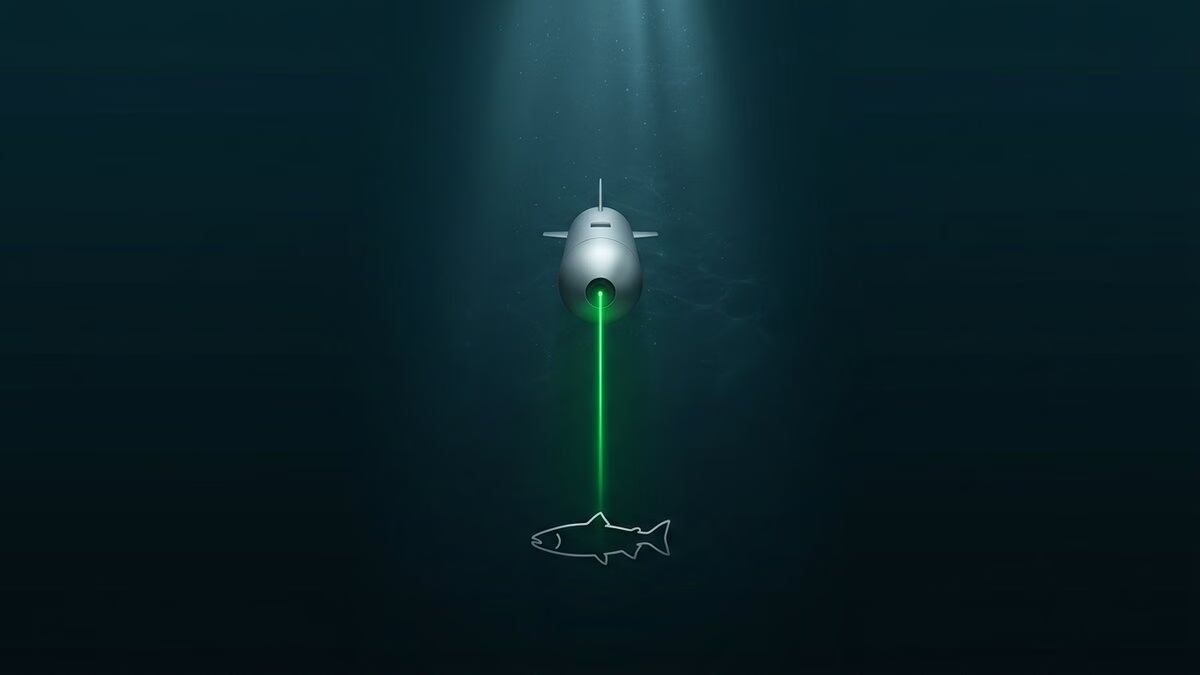
- No Drug Baths: Vision cameras spot sea lice on swimming salmon and zap pests one by one, skipping harsh chemical washes.
- Clear Field Limits: Upfront robot costs run high, and murky pen corners still shield lice outside camera reach.
Tech feeds focus on chatbots, yet one of Europe’s largest AI fleets works underwater in cold sea pens. Oslo company Stingray Marine Solutions now runs over 3,500 laser bots guarding 112 million salmon along Norway’s coast.
Covered by Tom’s Hardware from firm filings, Stingray added roughly 1,000 units over the past year. Those pods shield 20% to 25% of all farmed salmon in Norway from sea lice.
Inside Norway’s Biggest Robot Rollout
Tiny sea lice bite salmon skin and ruin harvests across cold northern fjords. Heavy outbreaks slow fish growth, wound stock, and spread pests to passing wild fish.
Stingray employs around 250 staff in Oslo to build waterproof pods with cameras and fast lasers. Each pod hangs inside net pens and works day and night.
Farms need far fewer cleaner fish and messy boat washes to keep lice counts low. Less handling cuts fish stress and boosts survival rates across pens.
How Light Zaps Pests Without Drugs
For decades, salmon farms pushed fish through harsh drug baths to strip off sea lice. Those washes pollute local bays, risk food trace toxins, and breed drug-resistant bugs.
Stingray swaps harsh chemicals for quick optical targeting. Vision chips inspect thousands of swimming salmon flanks each minute to tell safe scales from tiny sea lice.
Once locked onto a pest, a brief pulse kills the louse right off the fish without nets or human touch. That tight sensor loop echoes industrial tools like Ember Labs’ methane trackers.
Cost Hurdles and Dark Pen Blind Spots
Laser bots do not solve every pen headache on their own. Upfront gear costs run steep for small family fish farms working on thin margins.
Ocean water physics also limit camera range. Stingray units work best as steady guards keeping lice low, rather than clearing huge active swarms fast.
Sea lice still hide inside dark, murky cage corners outside laser reach. Even with those gaps, news of Norway’s subsea laser force cheered fans across Reddit threads when the fleet passed 2,000 units.
Drug Baths vs. Stingray AI Laser Pods
| Method | Key Strength | Main Catch |
|---|---|---|
| Drug Bath Washes | Treats whole pen batches fast | Hurts sea life; breeds tough pests |
| Stingray Laser Pods | 3,500+ units guarding 112M fish 24/7 | High upfront cost; blind in murky mud |
| Cleaner Fish | Natural pest eating in pens | Extra feed and stock loss costs |
What Fish Pens Show About Field AI
Stingray’s sea fleet shows where machine vision earns steady cash today. Engineers put small models inside tough sealed pods tied straight to lower fish loss.
Similar real-world systems are scaling on chip factory floors via Korea’s physical AI plants and labs like MIT’s physics simulator. Sea lasers prove narrow sight tools shine brightest on dirty, costly manual jobs.
Frequently Asked Questions
How many salmon do Stingray’s laser pods guard in Norway?
Over 3,500 Stingray pods guard more than 112 million salmon, equal to 20% to 25% of Norway’s farmed salmon stock.
Do underwater laser robots hurt the salmon they scan?
No. Cameras lock onto sea lice on swimming fish, letting salmon swim past without nets or harsh chemical baths.
Why haven’t laser pods replaced every fish farm tool yet?
High unit costs slow smaller farms down, and dark cage zones still hide lice from camera sight.