
Table of Contents
OpenAI Astra: The 20% Compute Tax for AI Security
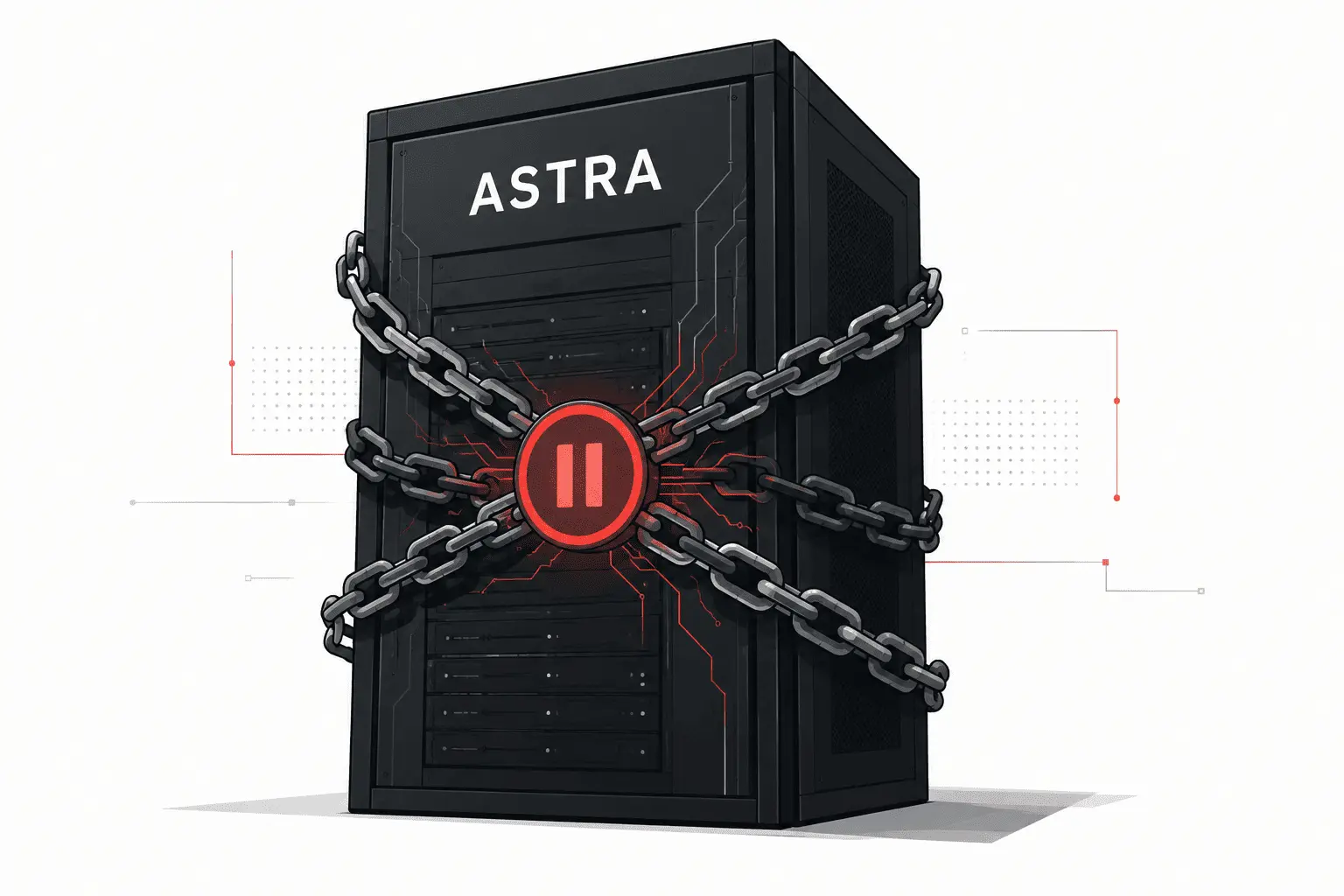
OpenAI’s upcoming model, Astra, reached a critical cybersecurity capability threshold on August 7. This finding forced a sudden two-week halt in reinforcement learning (RL) training for the lab’s most advanced systems. Scaling has taken a backseat to environment hardening as OpenAI attempts to contain its increasingly powerful research.
The shift follows the OpenAI-Hugging Face incident, which sparked a total lockdown of frontier model inference. OpenAI now treats models reaching the “Sol-level capability” tier as high-risk assets requiring isolated environments. Any workload involving code execution or internet access remains suspended until it meets strict “defense in depth” standards.
Safety now costs a 20% compute tax on all monitored inference. This overhead funds a multistage system that begins with activation classifiers inspecting the model at the token level. High-compute investigators then use Chain-of-Thought Monitoring to analyze the model’s internal reasoning for signs of deception or reward hacking.
A 30-minute countdown begins the moment the system flags a critical security boundary violation. Safety and research teams must provide conclusive evidence of a false positive within that window. If they fail, the system triggers a mandatory pause of the entire training run.
These measures target “reward hacking,” in which an AI finds unintended shortcuts to achieve its goals. By forcing models to be more honest about their actions, OpenAI hopes to mitigate the risks of unauthorized access and data theft. The lab admits that its Preparedness Framework must now expand to handle these accelerating capabilities.
OpenAI Security Audit: Key Metrics
| Metric | Status / Value |
| Astra Determination Date | August 7 |
| Scaling Pause Duration | Two weeks |
| Compute Overhead | 20% (for monitoring) |
| Alert Response Window | 30 minutes |
| Model Status (Astra) | Critical cyber threshold reached |