
Key Takeaways
- Musk seeks $134B in damages and forced reversion of OpenAI to nonprofit status.
- The core legal fight centers on whether OpenAI’s for-profit conversion violated a charitable trust.
- OpenAI argues Musk supported for-profit structures and quit, attempting to damage a competitor.
- The outcome could derail OpenAI’s planned IPO and call into question billions in investments.
The $134 Billion Question: Can OpenAI’s Profit Model Destroy American Charity?
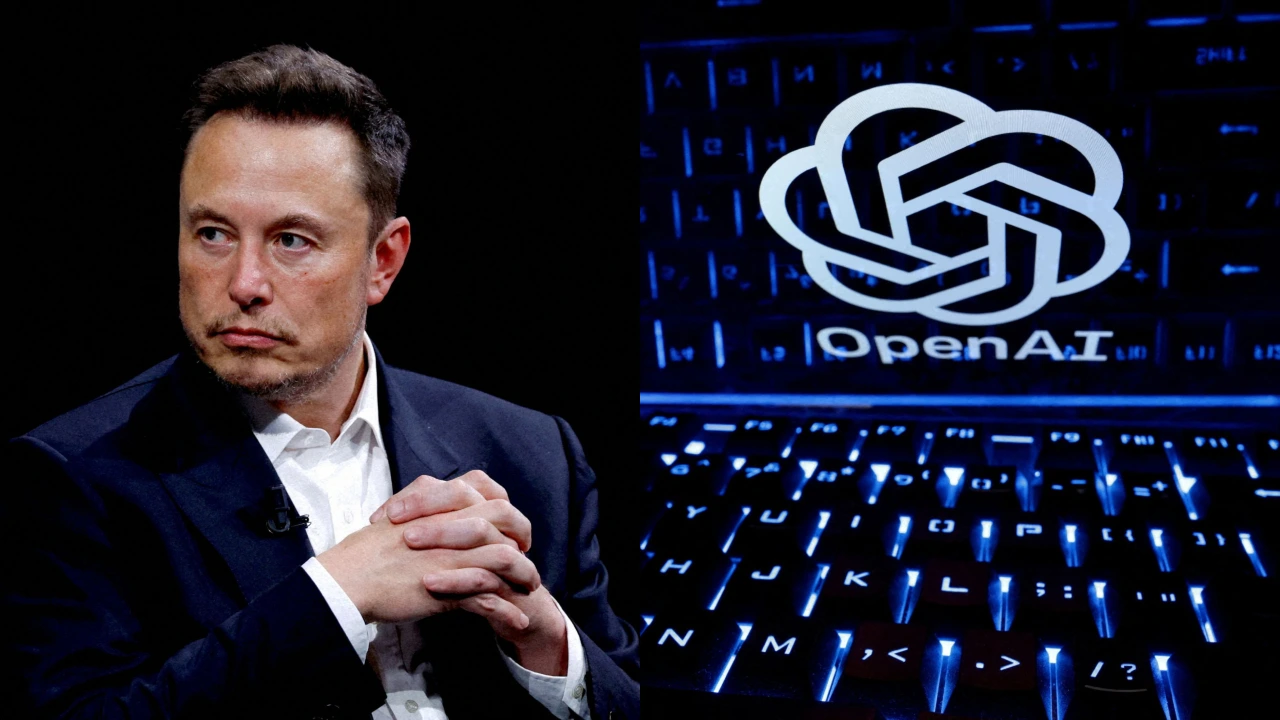
Elon Musk’s testimony before a federal jury this week didn’t just concern a tech company; it framed the entire legal battle as a defense of American charitable giving. The core question, and the ‘so what?’ of the whole mess, is whether OpenAI’s shift to a for-profit structure constitutes a violation of a charitable trust, potentially jeopardizing the legal basis of billions in investment.
Musk told the jury that if the court allows a charity to be ‘looted’ for private gain, the entire foundation of American charitable giving will crumble. It’s a dramatic claim, but it sets the stakes for a company valued at $852 billion.
The Two Narratives: Charity vs. Corporate Ambition
The trial has boiled down to two fundamentally incompatible stories. On one side, you have Musk’s narrative: he donated roughly $44 million to OpenAI, believing it was a pure nonprofit safety project. He was then allegedly ‘assiduously manipulated’ when the leadership converted it into a profit machine without his consent.
On the other side, OpenAI’s defense, led by William Savitt, argues that Musk never viewed the organization as inviolably nonprofit. Savitt presented evidence, specifically an email from former board member Shivon Zilis, suggesting Musk had supported for-profit restructuring, provided he maintained control. OpenAI’s position is that Musk quit, and now he’s suing to damage a competitor to his own AI company.
The Pivotal Evidence: The Zilis email. If this document shows Musk supporting for-profit options, it severely undermines his claim of being a deceived, purely charitable donor. If it shows he insisted on personal control, it supports OpenAI’s narrative but complicates the ‘stolen’ framing.
How the Law Works (And Why It Matters)
Musk has renounced any personal financial benefit from the case. Any damages awarded, up to $134 billion, would flow to OpenAI’s nonprofit foundation. This is a key legal maneuver: it positions him as acting in the public interest, not out of competitive jealousy.
But the legal structure itself is complex. The advisory jury can only determine liability and advise on monetary damages. The most consequential request, forcing the company back to nonprofit status, is entirely in the hands of the judge, Judge Yvonne Gonzalez Rogers. This distinction is crucial.
Understanding the Stakes:
- The IPO Threat: OpenAI is planning one of the largest IPOs in history. A ruling that the for-profit conversion was unlawful could force the company to unwind the October restructuring, potentially delaying or derailing the IPO.
- Investment Fallout: The $110 billion funding round in February, which valued the company at $852 billion, included commitments from Amazon, Microsoft, SoftBank, and Nvidia (totaling over $200 billion). A court order unwinding the structure would call into question the legal basis of every single investment made since the conversion.
Actionable Takeaways for the Tech Investor
For anyone tracking the AI sector, the outcome of this trial is more than just a legal footnote. It’s a structural risk assessment for the entire industry. Here are three things to watch for:
- The Judge’s Ruling: Pay close attention to Judge Rogers’s decision on structural remedies. This is the ultimate gatekeeper for the company’s legal form.
- The Valuation Question: The trial directly challenges the legal basis of the $852 billion valuation. If the court rules against OpenAI, it doesn’t just hurt the company; it creates a massive legal headache for its investors.
- The Precedent: Regardless of the outcome, the case sets a major precedent for how non-profit and for-profit AI development is legally structured, impacting every company from OpenAI to Anthropic.
In short, the outcome will dictate the legal boundaries of AI development, determining whether the industry is viewed as a charitable endeavor or a commercial enterprise.