Electric Plant Co. emerged from stealth on Tuesday with $11.2 million in seed funding. The startup built a sensor that listens to electric signals inside plants. Its artificial intelligence model turns those electric pulses into clear data on plant thirst, health, and stress.
Former Bloomscape founder Justin Mast created the firm. The startup built a small hardware unit called Bud. The device attaches to tree trunks and plant stems with two stainless steel screws. Two small metal probes tap directly into the cambium layer, the living layer of cells between the bark and wood.
“The plant itself is the sophisticated technology,” Mast told Fast Company. “Plants and trees have millions of microreceptors that process data about the world around them. They coordinate their responses through electric signals. That is what we are tapping into.”
Technical Factsheet: Electric Plant Co. Hardware & AI Specs
| Parameter / Feature | Technical Specification | Operational Impact |
|---|---|---|
| Funding Round | $11.2 million seed funding | Backs commercial pilots and hardware scale. |
| Hardware Sensor Name | Bud | Handheld, low-cost multi-channel biosignal reader. |
| Mounting Mechanism | Two stainless steel screws | Pierces cambium layer on stems $\ge$ 1 inch thick. |
| Telemetry Resolution | 8-channel local voltage | Records millivolt fluctuations (-6.6 mV to +6.1 mV). |
| AI Foundation Model | Bombadil | Trained on 4M+ hours across 1,400+ plants & 100 species. |
| Core Stress Metric | Crop Water Stress Index (CWSI) | Real-time hydration scale from 0.0 (hydrated) to 1.0 (drought). |
| Perkiness Metric | Leaf Perkiness Index (0.0 to 1.0) | Pre-symptomatic detection before cellular turgor loss. |
| Tested Botanicals | Tomatoes, coleus, sequoias, oaks, apples, almonds | Validated across indoor houseplants and commercial orchards. |
Decoding Plant Signals with the Bombadil Model
Electric Plant built an artificial intelligence model called Bombadil. The model trained on more than 4 million hours of electrical signals. Data came from 1,400 plants across 100 species. These range from tomatoes and garden coleus to sequoias, apple trees, and oaks.
The AI model tracks seven key health signs from electric signals:
- Crop Water Stress Index (CWSI): Maps voltage drops into exact water needs.
- Leaf Perkiness: Checks cellular pressure before leaves droop.
- Photosystem Health: Measures how leaves convert sunlight into energy.
- Leaf Temperature: Tracks cooling through leaf pores.
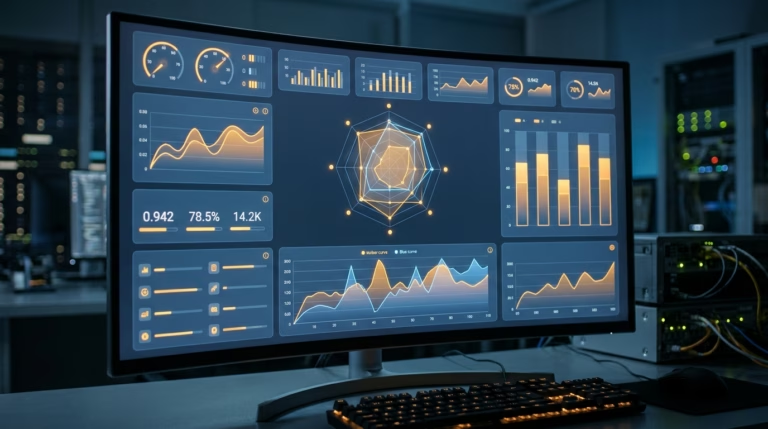
The company’s Signal Observatory dashboard visualizes these biosignals in real time. An eight-electrode array tracks local stem voltages from -6.6 millivolts to +6.1 millivolts, calculating continuous perkiness scores and water stress levels.
Early Warning for Farms and Forests
Farmers usually check soil probes or look for wilting leaves. But visible drought damage can take weeks or months to appear. By the time leaves turn brown, crop yields have already taken a hit.
Electric Plant catches plant stress early. By tracking tiny voltage shifts across eight channels, growers spot thirst hours before leaves wilt. This gives commercial orchards and timber companies time to adjust irrigation schedules before trees suffer permanent tissue damage.
The Plant Intelligence Market
Electric Plant joins a growing list of startups reading plant biology:
- Vivent Biosignals: The Swiss firm passed 2 million monitored plant days in July with commercial crop sensors.
- Smarty Plants: The British startup builds soil sensors for home houseplants.
With hotter summers and high fertilizer costs, real-time plant data helps farms save water and protect crops.
Electric Plant plans to test Bud sensors with commercial tree growers and orchards before a wider release.
TeckScaler AgTech Analysis
By moving beyond indirect soil sensors to direct electrophysiological telemetry, biosignal AI models represent a major leap forward for precision agriculture and climate resilience. Follow TeckScaler for continuing coverage of applied artificial intelligence hardware and bio-sensing systems.