

Executive Summary
- $5 Monthly Surcharge. Spotify is preparing to launch an AI-powered remix and vocal cover tool as an optional add-on costing $4 to $5 extra per month on top of existing Premium plans.
- February Target Date. Industry reports indicate the launch could align with the Grammy Awards on February 7, 2027, or arrive within the first quarter of the year.
- Listener Pushback. Subscribers on community forums have responded with frustration, questioning the utility of automated vocal clones while HiFi lossless audio remains missing.
- Musician Resistance. While legacy catalogs are exploring royalty deals, leading pop stars like Olivia Rodrigo refuse to license their voices for artificial cloning.
- Modest Adoption Forecast. Financial analysts estimate that only 7% to 8% of Spotify’s 75 million US Premium subscribers will pay extra for generative audio tools.
Music fans paying for Spotify Premium already face steady price increases and delayed audio upgrades. Now, Spotify wants them to pay an extra monthly fee for synthetic song remixes that few listeners requested.
According to reports from the Financial Times, Spotify is planning to roll out an AI remix and vocal cover engine as early as February 2027. The debut could coincide with the Grammy Awards on Sunday, February 7, or land later in the spring.
The planned launch comes with an unwelcome surprise for subscribers. Rather than bundling the feature into standard tiers, Spotify plans to charge an extra $4 to $5 per month, pushing individual monthly streaming bills past $16.
Table of Contents
- Synthetic Remixing: What Spotify’s New Audio Tool Actually Does
- The Pricing Gamble: Adding Surcharges to an $11.99 Subscription
- User Backlash: Why Music Fans Feel Alienated by AI Add-Ons
- Artist Resistance: Star Pushback and the Struggle for Voice Rights
- Factsheet: How Streaming Giants Approach AI Features and Pricing
- The Missing HiFi: Missing Basics in an Era of Synthetic Tools
- Frequently Asked Questions
Synthetic Remixing: What Spotify’s New Audio Tool Actually Does
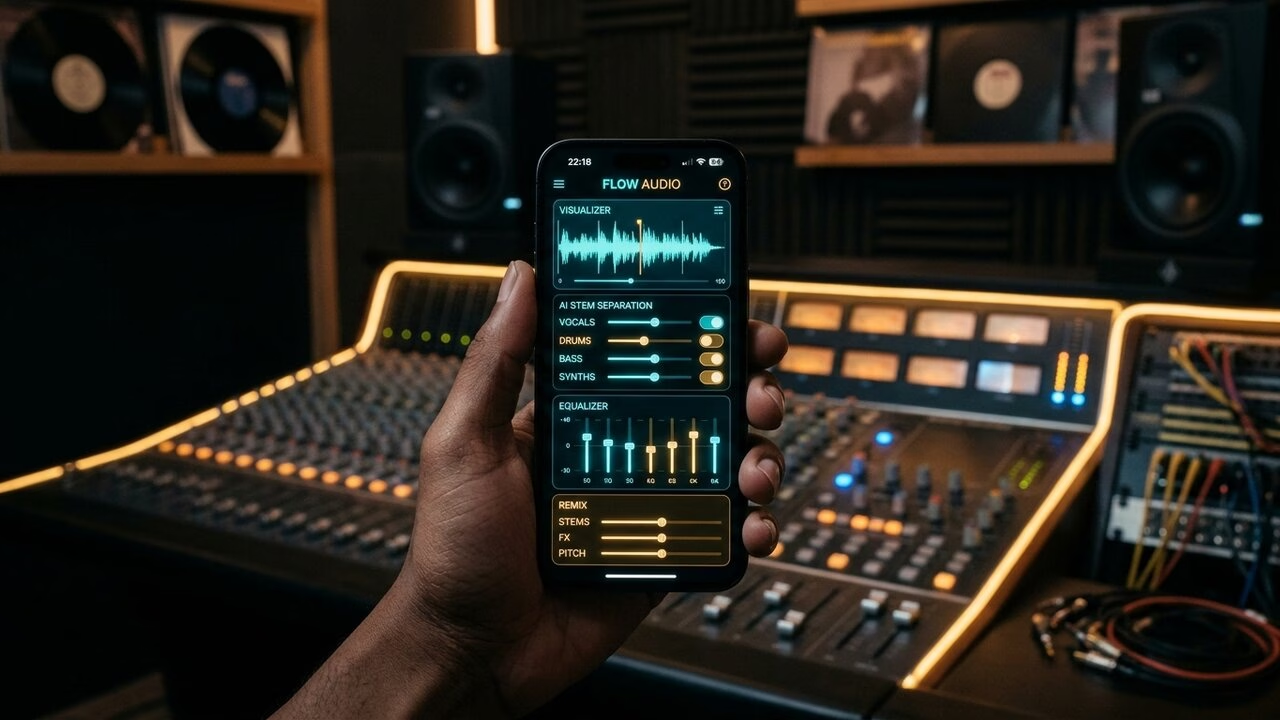
The planned feature builds on announcements Spotify first made in August. The tool allows listeners to alter songs in their library using automated sound processing:
- Genre Transformations: Converting an electronic club track into an acoustic ballad or lo-fi instrumental mix.
- Vocal Stem Swaps: Applying cloned vocal profiles so one artist appears to cover another singer’s catalog.
- Tempo and Pitch Shifting: Altering beats per minute and key signatures directly within the native player.
- Custom Derivative Playlists: Saving synthetic alterations into private libraries alongside original recorded releases.
While amateur mashups have circulated on TikTok and YouTube for years, Spotify wants to bring that functionality inside its licensed platform where it can regulate distribution and control revenue streams.
The Pricing Gamble: Adding Surcharges to an $11.99 Subscription
The central risk for Spotify is consumer fatigue. In the United States, individual Premium plans already increased to $11.99 per month. Adding a $4 to $5 add-on brings the total cost to nearly $17 each month, matching video streaming bundles.
Wall Street analysts quoted by the Financial Times estimate that only 7% to 8% of Spotify’s roughly 75 million US Premium subscribers will pay the extra charge. That represents a niche market of five to six million power users, leaving the vast majority of subscribers unimpressed.
User Backlash: Why Music Fans Feel Alienated by AI Add-Ons
Listener reaction across online forums was swift and critical. On Reddit and Twitter, subscribers questioned the premise of paying extra for artificial song modifications. Many users described the proposed feature as cheap novelty software rather than a meaningful music upgrade.
This user alienation reflects a wider creative tension. As we recently explored in our coverage of young creators navigating emotional grief in AI art, synthetic tools often struggle to match the human connection that defines music and cinema.
Frustrated listeners noted that competing platforms like Apple Music and Tidal include high-resolution audio and spatial mixing at no extra cost, making Spotify’s surcharge look out of touch.
Artist Resistance: Star Pushback and the Struggle for Voice Rights
Convincing subscribers to pay is only half of Spotify’s challenge. Securing licensing agreements from recording artists is proving far harder.
While Spotify has found some willingness among older legacy acts looking for fresh revenue streams, contemporary chart-toppers have resisted. Pop stars like Olivia Rodrigo have taken public anti-AI stances, refusing to allow software companies to clone their voices or alter their recorded master tracks.
To soften artist opposition, Spotify has proposed a royalty-sharing structure that pays artists when subscribers generate remixes using their stems. However, without major contemporary pop stars signed on, the catalog of available songs will remain limited.
Factsheet: How Streaming Giants Approach AI Features and Pricing
The following table compares how major streaming platforms handle audio quality, artificial intelligence, and subscription costs:
The Missing HiFi: Missing Basics in an Era of Synthetic Tools
What frustrates long-time subscribers most is Spotify’s product priorities. Spotify first announced Spotify HiFi in early 2021, promising lossless CD-quality streaming to rival Apple and Amazon. More than five years later, that feature remains unreleased.
Instead of delivering core acoustic fidelity, the company has prioritized speculative add-ons: podcast video feeds, audiobooks, AI DJ voice prompts, and now paid synthetic remixes. For pure music enthusiasts, that shift in focus makes switching services increasingly attractive.
Healthcare platforms are also adapting to autonomous tools. Read our report on how Zocdoc opened its healthcare scheduling infrastructure to autonomous AI agents to enable verified appointment scheduling.
Frequently Asked Questions
What is Spotify’s planned AI remix and cover feature?
The tool allows subscribers to modify existing songs in their library. Listeners can change genres, alter tempos, and swap vocal tracks to produce synthetic song covers directly inside the Spotify mobile app.
How much will the Spotify AI remix add-on cost?
According to the Financial Times, Spotify plans to charge an extra $4 to $5 per month on top of existing Premium plans. An individual subscriber would pay roughly $16 to $17 per month for access.
When is Spotify expected to launch the AI remixing tool?
Reports point to a launch in February 2027, potentially timed to coincide with the Grammy Awards on Sunday, February 7, or arriving later during the first quarter of the year.
Why are artists like Olivia Rodrigo resisting the feature?
Major contemporary recording artists object to software models cloning their vocal identities and altering their artistic compositions. Many stars view voice cloning as a threat to creative control and authentic musical craftsmanship.
How many subscribers are expected to pay for the add-on?
Industry analysts project that only 7% to 8% of Spotify’s 75 million US Premium subscribers will pay the extra fee, indicating that synthetic remixing will remain a niche feature.








[…] digital services are experimenting with monetization models. Read our report on how Spotify is preparing to charge a $5 monthly surcharge for AI song remixes as music lovers push back against unwanted monthly […]
[…] models to personalize media consumption. A similar consumer approach was examined in our report on Spotify’s AI remix and music cover subscription features, showing how streaming giants are turning to machine learning to keep subscribers engaged on their […]