
Table of Contents
Millions of defectors are rejecting mandatory AI overviews to reclaim the classic, link-based web experience.
Internet users are staging a digital revolt against Google’s recent search changes. Many feel overwhelmed by the sudden shift toward mandatory AI features. This tension creates a sharp conflict between automated answers and user agency.
Why Users Are Walking Away from Google Search
Google’s May 2026 developer conference signaled a massive strategic shift for the company. The search box transformed from a simple link provider into a conversational engine. This move abandons the “good old days” of blue links and rapid discovery.
Users feel “force-fed” because Google provides no simple opt-out for AI Overviews. This complexity frustrates people searching for simple terms or facts. Others worry about receiving inaccurate responses from the opaque automated system. These frustrations are now fueling rapid growth for competitors.
DuckDuckGo’s Growth Numbers Tell the Story
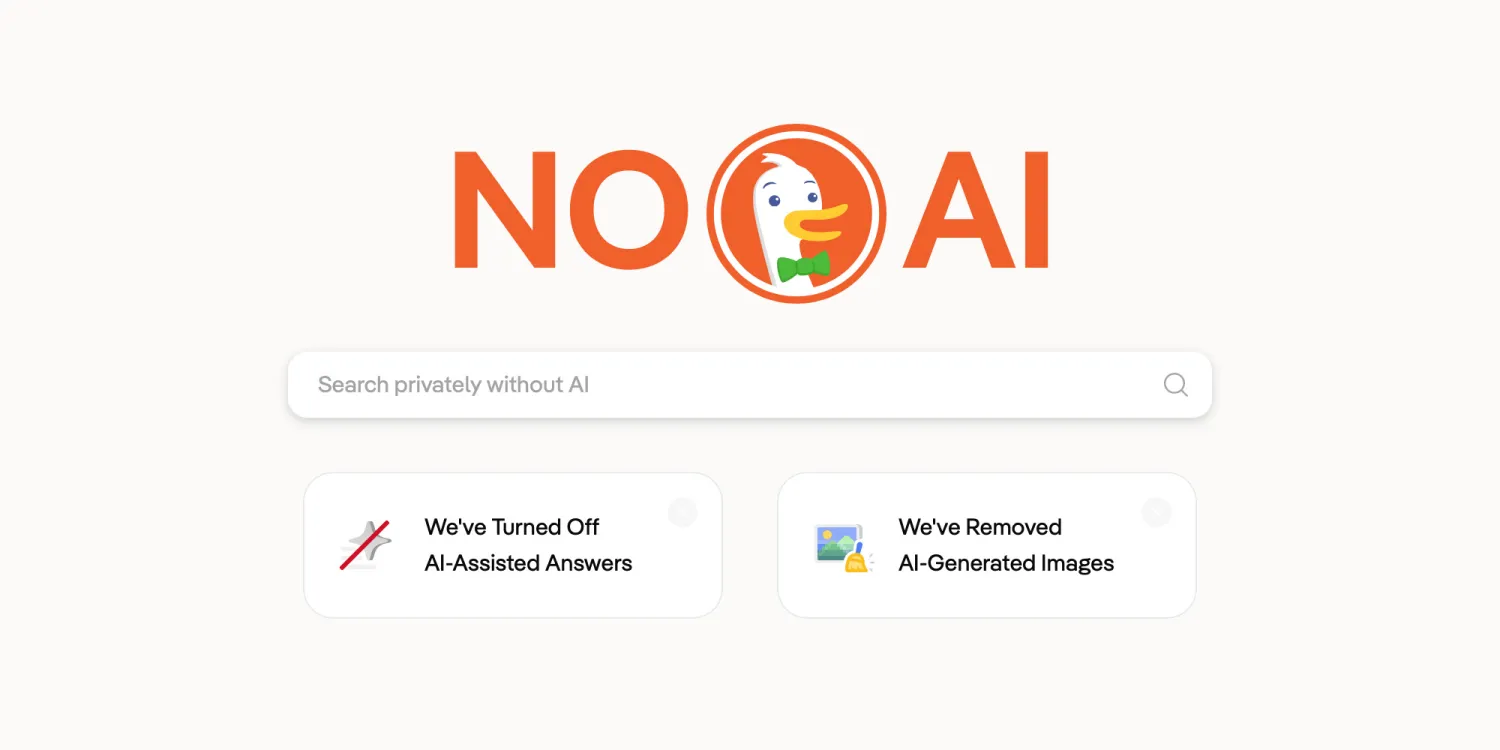
DuckDuckGo is now the primary destination for users fleeing Google’s overhaul. It markets itself as a sanctuary for those who value privacy and traditional results. The engine’s “No-AI” search page is seeing massive traction among digital defectors.
Growth Metrics: The Search Engine Shift
| Metric | Data Point |
| U.S. App Installs (Peak) | 76% increase above baseline (9to5Mac) |
| iOS Install Growth | 95% above pre-announcement week (nearly 2x) (9to5Mac) |
| iOS App Store Ranking | #3 in Utilities chart |
| “No-AI” Search Page Growth | 22.7% week-over-week average (TechCrunch) |
The shift goes beyond DuckDuckGo, as Ecosia search volume grew 40% recently (USA Today). Research shows 57% of users prefer traditional search for “Your Money or Your Life” topics. Users clearly value the reliability of the traditional web for important decisions.
Expert Perspectives on the Search Shift
Industry leaders are currently locked in a battle over the future of browsing. One side favors automated answers while the other champions user control. This divide highlights a fundamental disagreement about internet agency.
DuckDuckGo CEO Gabriel Weinberg claims Google is “force-feeding” users inferior search results. He argues that platforms must put people back in charge of their experience. Google VP Elizabeth Reid counters that search queries have reached record-breaking volumes.
However, the “black box” nature of AI creates a psychological barrier called opacity. Users feel a threat to their agency when control is removed. This loss of control drives users to consider the physical impacts of the AI era.
Impact on Everyday Internet Users
The “AI-free” movement is about more than just software preferences. It reflects growing concerns about the environmental costs of massive data centers. Defectors are increasingly vocal about the sustainability of generative AI.
Local communities report that these facilities harm water quality and create noise pollution. Residents also worry about rising temperatures and impacts on local farmers. These physical consequences are pushing users to seek digital alternatives.
Savvy browsers are leveraging tools like the “&udm=14” web filter to bypass AI. Tech writer Ernie Smith created udm14.com to help users automate this process. These community-driven solutions offer a practical way to restore the classic search experience.
The Future of Search Choice
The search landscape is fragmenting as users prioritize agency over automation. A significant population still demands the transparency of the traditional link-based web. This great defection signals a permanent shift in how we value digital choice.