
Table of Contents
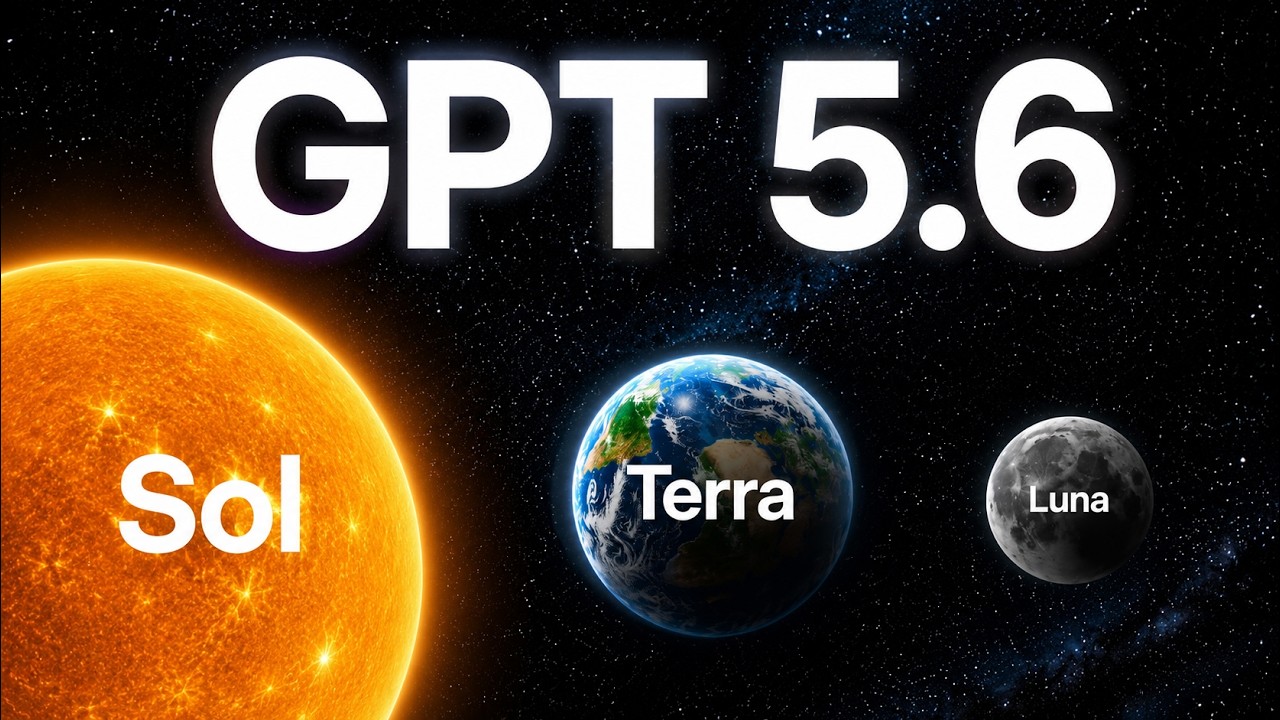
On Thursday, OpenAI officially escalated the race for artificial intelligence dominance with the public release of its flagship model, GPT-5.6 Sol. This launch, arriving alongside the new ChatGPT Work productivity suite, marks a critical pivot in the rivalry between OpenAI and Anthropic. While raw performance benchmarks between the two firms’ top-tier models are increasingly converging, the true strategic differentiators have shifted toward “agentic” capabilities and deeply divergent philosophies regarding cybersecurity guardrails.
This evolution signals the end of the chatbot era. To maintain a competitive edge, organizations must now look beyond simple conversational interfaces toward active software agents capable of autonomously navigating the modern digital workspace.
CHATGPT WORK VS. CLAUDE COWORK
The AI sector is currently undergoing a strategic pivot from “chatbots”, systems that provide advice, to “agents”, systems that execute tasks. For the enterprise, this represents a massive leap in ROI. By transitioning AI from a passive consultant to an active participant, firms can significantly reduce “human-in-the-loop” costs and administrative friction.
OpenAI’s ChatGPT Work and Anthropic’s Claude Cowork are the vanguard of this shift. These agents do not merely suggest actions; they operate software apps and websites on behalf of the user. In our analysis, the deployment of these agents into core workflows represents the most immediate path to productivity gains in the current fiscal year. According to the latest technical specifications, these agents are capable of integrating with:
- Spreadsheets: Performing complex data manipulation and autonomous calculation.
- Online Calendars: Managing executive schedules and coordinating multi-party appointments.
- Email Services: Automating sophisticated communication threads and inbox management.
- External Websites and Apps: Navigating third-party digital environments to execute multi-step workflows.
While these utility features expand the practical application of AI, the underlying reasoning power of the models—Sol and Fable—remains the primary metric for high-stakes professional deployment.
BENCHMARKING PERFORMANCE: SOL, FABLE, AND THE STATE OF THE ART
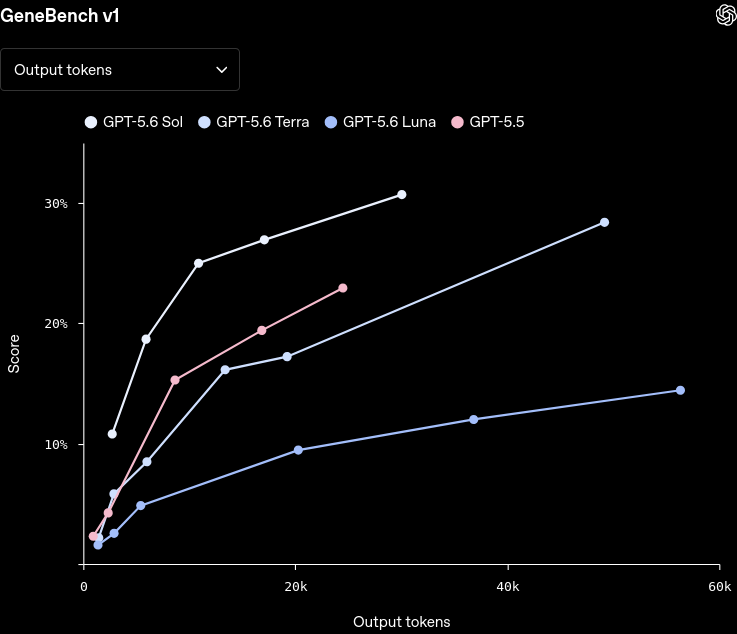
Objectively measuring AI intelligence is notoriously difficult, leading to a reliance on third-party trackers like Vals AI. Current data indicates that the performance gap between industry leaders has reached a point of near-parity in general reasoning, but specialized dominance is emerging in professional verticals.
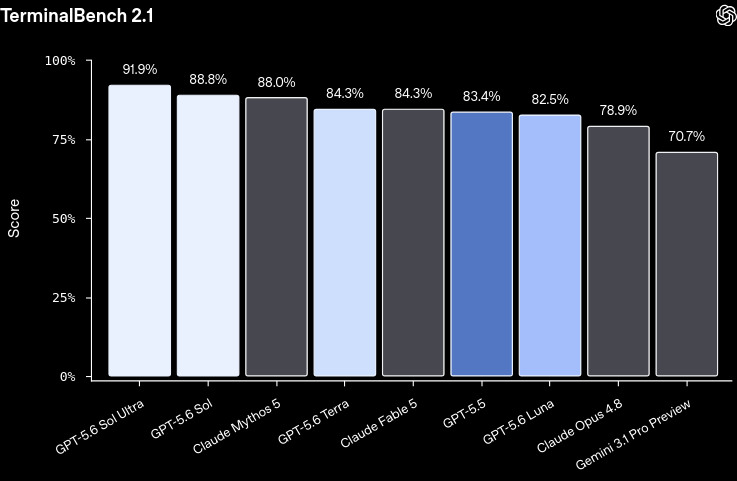
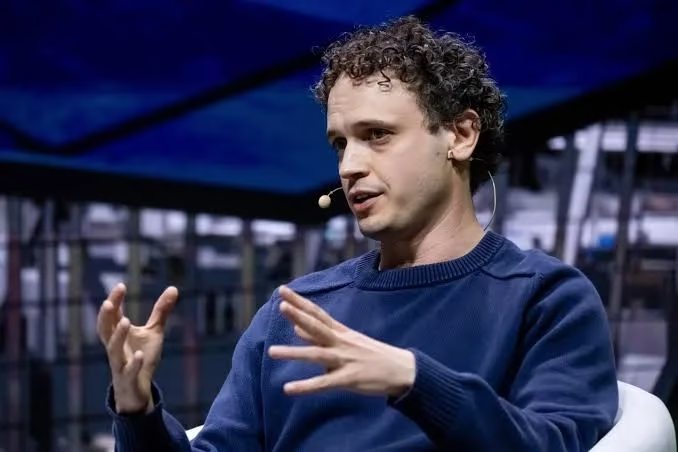
In standard benchmark tests, GPT-5.6 Sol roughly matches the performance of Anthropic’s Fable 5. However, Rayan Krishnan, CEO of Vals AI, notes that Sol distinguishes itself in high-stakes environments. Specifically, Sol is currently considered “state of the art” for financial and legal tasks.
| Model | Performance Specialty / Benchmark Status |
| GPT-5.6 Sol | State of the art in financial/legal tasks; superior precision for M&A and compliance. |
| Fable 5 | Matches Sol in general benchmarks; subject to high security-based performance degradation. |
| Claude Opus 4.8 | The fallback model for Fable 5 is significantly less powerful and is used when guardrails trigger. |
For strategic consultants, the “state of the art” claim for Sol is more than a marketing buzzword. Organizations should prioritize migrating departments like Legal Compliance and M&A to Sol-based workflows, where its marginal lead in precision translates into reduced risk and higher-quality outputs.
GUARDRAILS VS. DEFENSIVE UTILITY
Advanced AI models are inherently dual-use. The intelligence required to identify a software vulnerability for repair is identical to the intelligence needed to exploit it. This has forced OpenAI and Anthropic into a “Cybersecurity Paradox,” where the quest for safety may inadvertently cripple defensive utility.
To understand Fable 5, one must recognize it as a “neutered” version of Claude Mythos, an unreleased and significantly more powerful system developed by Anthropic in April. Concerns over Mythos’s capabilities led to the heavily restricted architecture of Fable 5.
Comparative Strategy: The Cybersecurity Divide
- OpenAI (The Defensive Utility Approach): Sol employs fewer hard guardrails regarding cybersecurity. OpenAI’s philosophy allows security professionals to use the model’s full reasoning power to identify and patch vulnerabilities before they can be exploited.
- Anthropic (The Restricted Safety Approach): Anthropic has implemented “hard” blocks on queries related to cybersecurity and biology. When Fable 5 detects a “vulnerable” query, it redirects the user to Claude Opus 4.8. This “productivity penalty” means that legitimate defensive researchers are forced to use a less capable model precisely when they need high-level intelligence most.
This creates a strategic friction: Anthropic’s guardrails may stop a script-kiddie, but they also potentially disarm the very cyber-defenders charged with protecting national infrastructure.
REGULATION AND THE TRUMP ADMINISTRATION’S OVERSIGHT
The regulatory landscape has shifted from “hands-off” to a regime of “voluntary oversight” via executive order. The Trump administration’s recent focus on AI as a national security threat has created a turbulent environment for developers.
The timeline of federal intervention highlights this tension:
- The Mythos Precedent: The April release of Claude Mythos triggered immediate government nervousness regarding unprecedented cybersecurity threats.
- The Foreign National Order: Last month, shortly after Fable 5’s release, the administration ordered Anthropic to suspend access for all foreign nationals. The compliance burden was so significant that Anthropic briefly took the technology offline entirely.
- The Public Compromise: While OpenAI initially indicated it would only share Sol with a “government-approved list” of companies, lengthy discussions with the administration eventually resulted in a green light for public release for both firms.
Despite these hurdles, the government’s “national security” designation remains a major source of friction, impacting both the speed of deployment and the ultimate cost of intelligence.
MARKET POSITIONING AND THE COST OF INTELLIGENCE
The current market is witnessing a “pincer maneuver” on enterprise budgets. On one side, GPT-5.6 Sol and Fable 5 are pushing the boundaries of “Premium Intelligence” pricing. Sol is currently the most expensive model available, while Fable 5 is priced at roughly double the cost of Anthropic’s previous flagship.
On the other side, Meta executed a calculated market assault by releasing its own latest AI model on the same Thursday as Sol. While Meta’s model is not as powerful as Sol or Fable 5, it is considerably less expensive.
For the strategic decision-maker, this creates a clear choice:
- The Premium Tier (Sol/Fable 5): Necessary for the 20% of tasks requiring absolute legal/financial precision or complex agentic reasoning.
- The “Good Enough” Tier (Meta): Disrupting the market for the 80% of routine business tasks where the high cost of Sol’s precision cannot be justified.
STRATEGIC TAKEAWAYS
The AI arms race has entered a phase where the software’s ability to act is as critical as its ability to reason. As businesses navigate this landscape, the following three takeaways are essential:
- Prioritize Agentic ROI: Move beyond simple prompt-and-response workflows. Prioritize the integration of agents like ChatGPT Work to automate software-heavy tasks and reduce human-in-the-loop overhead.
- Navigate the Security Penalty: Choose your model based on your security needs. OpenAI offers defensive flexibility for security-mature organizations, while Anthropic provides a “safety-first” environment that may, however, hinder high-level technical research due to its Opus 4.8 fallback system.
- Audit for Compliance: Although public access has been granted, the administration’s focus on “national security” and foreign national restrictions suggests that “approved lists” and geographic restrictions could return. Legal teams must maintain a registry of all high-tier AI assets in use.