

Table of Contents
Can fully AI-made movies draw real crowds to movie theaters? The domestic box office data from China gives a clear answer: audiences are refusing to buy tickets.
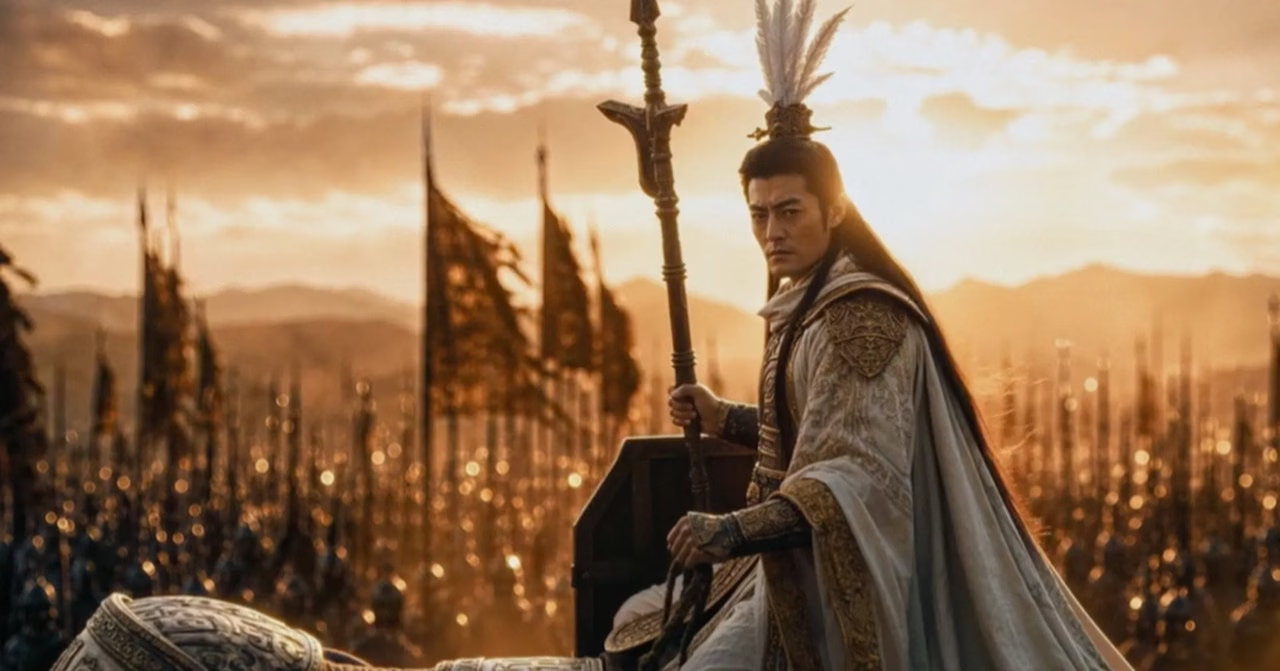
The movie is called Sanxingdui: Future Past. It opened in Chinese theaters on October 23, 2026. The film was produced by Bona Film Group, one of China’s top commercial studios. The company booked the release on more than 10,000 screens on its first day. Yet the box office return was a total collapse.
The Commercial Collapse of Sanxingdui: Future Past
According to Cartoon Brew, the movie took in roughly $18,100 during its opening theatrical run. With an average return of less than $20 per theater screen, Bona Film Group has almost no path to recover its $1.5 million budget.
About 100 people worked on the movie for two full years. Yet the on-screen performers, including their visual likenesses and spoken voices, were created by AI models. Ticket buyers simply stayed home.
“We are the first to try it, the first to get a theatrical release permit and the first to be tested by the audience,” Bona Film Group CEO Jiang Defu told Chinese trade outlet Yuli, as quoted by Agence France-Presse. “I think that is not easy at all.”
Jiang Defu, Chief Executive Officer, Bona Film Group
Box Office Factsheet: Studio AI vs. Shoestring Human Indie
| Metric | Sanxingdui: Future Past (2026) | Niu Lai (2026) |
|---|---|---|
| Studio / Creators | Bona Film Group | Mother and Son Duo |
| Production Technique | Generative AI Actors and Synthetics | Hand-Drawn Low-Fi Animation |
| Production Budget | $1,500,000 | $200 |
| Team Size & Time | ~100 Technicians across 2 Years | 2 Family Members in Spare Time |
| Screen Allocation | 10,000+ Wide Theatrical Screens | Grassroots Indie Word-of-Mouth |
| Total Box Office | ~$18,100 | ~$9,800,000 |
| Financial Return | -98.8% Net Loss | +4,900,000% (50,000x Return) |
| Audience Reaction | Rejected as Uncanny ‘AI Slop’ | Loved for Heart, Humor, and Charm |
Why Audiences Fled the Uncanny Valley
The commercial failure of Sanxingdui: Future Past exposes a big psychological wall for synthetic video. A quick AI video clip can grab attention on a smartphone screen. But cinema is different. Going to the cinema requires money, time, and real emotional investment.
In a dark auditorium on a fifty-foot screen, AI shortcuts fall apart quickly:
- Stiff facial expressions: Video diffusion models still struggle with tiny facial movements. Characters in Sanxingdui drift through dramatic battle scenes with glass-like eyes and frozen smiles.
- Robotic voice timing: Synthetic voices lack the natural breaths, pauses, and emotional tremors of human actors. Viewers spot the fake delivery right away.
- Warping visuals: Generative video engines suffer from frame jitter. Textures morph between shots, armor lines change, and faces drift across scene cuts.
- No human artistic soul: Great films come from deliberate choices by real directors, writers, and actors. Algorithmic software blends past work into a generic soup that feels hollow.
Similar audience pushback occurred when Elon Musk released his Grok AI Odyssey video. While tech enthusiasts tested the rendering capabilities, regular viewers dismissed the output as plastic demo reels. In gaming, top creators agree. Rockstar Games confirmed that human artistry will take priority over generative shortcuts in GTA 6.
The $200 Indie Hit That Shamed Studio AI
The commercial failure of Sanxingdui: Future Past stands out even more next to the unexpected box office triumph of Niu Lai.
Niu Lai is an independent animated film created by a Chinese mother and son. Their total budget was just $200. The animation was clumsy, the frame rates were rough, and the voice acting was amateur. It had none of the slick polish of Bona’s multi-million dollar software pipeline.
Yet Niu Lai had the one asset that algorithms cannot synthesize: authentic human sincerity. Viewers responded warmly to the film’s funny, quirky, and honest spirit. The movie became a viral hit across Chinese social media. Fans rushed into theaters, driving Niu Lai to nearly $10 million in box office receipts.
According to SlashFilm, Niu Lai is now one of the most profitable films in movie history relative to cost. A $200 budget returning almost $10 million represents a 50,000-fold return on investment.
The lesson for film studios is unmistakable. Audiences will happily forgive crude visuals if a film has real heart. But they will not pay to watch sterile computer simulations masquerading as art.
The Global Pushback Against AI Theatrical Slop
The backlash against AI film is not confined to China. In North America and Europe, audiences and filmmakers have voiced strong skepticism toward algorithmic movies.
Famed film director Werner Herzog recently took aim at generative creators, dismissing them as imitators who use prompts to avoid the hard work of real art. When some promoters claimed an AI film would show at major international festivals, organizers pushed back. Insiders confirmed that prestigious events like Cannes have no interest in screening prompt-engineered movies.
In the United States, several ventures are still promoting upcoming theatrical releases for fully synthetic films, hoping to secure formal MPA ratings and awards recognition. But the box office collapse of Sanxingdui indicates that finding paying audiences will be an uphill struggle.
Cinema has welcomed technological changes for over a century. Sound, color, and digital visual effects expanded the medium. But in every past transition, technology served human vision. Fully AI-made films attempt to replace the human creator entirely. As Sanxingdui: Future Past demonstrated across 10,000 empty screens, moviegoers have zero desire to pay for that outcome.
While major commercial studios experiment with automated filmmaking, young creators are using cinema to question algorithmic culture. Read our feature on how two Gen Z directors tackled the AI slop apocalypse in Anna by the Window to see how independent storytellers explore digital grief.
Frequently Asked Questions
What was the budget and box office return of Sanxingdui: Future Past?
Bona Film Group spent $1.5 million to make Sanxingdui: Future Past over two years with nearly 100 technicians. In its theatrical debut across 10,000 screens, the movie grossed just $18,100, averaging less than $20 per theater.
Why did China’s first AI-generated movie fail in theaters?
The movie failed because moviegoers rejected its synthetic visual aesthetic and lack of emotional depth. The AI-generated actors suffered from the uncanny valley effect, featuring stiff expressions and robotic voices that failed to connect with ticket buyers.
How did the $200 indie movie Niu Lai beat Bona Film Group?
Niu Lai was created by a mother and son on a tiny $200 budget. While its animation was crude, fans loved its humor, warmth, and sincerity. Viral word of mouth propelled the title to nearly $10 million, yielding a 50,000-fold return on investment.
Will generative AI replace human actors in theatrical films?
The failure of Sanxingdui shows that paying audiences strongly reject synthetic actors. While studios use AI for background tasks like rotoscoping and voice cleaning, viewers consistently demand real human emotion on the big screen.
For more on how government bodies are scrutinizing automated software systems, read our coverage of the House Oversight probe into Delaware’s proposal to let AI agents run companies.




[…] For more on how audiences evaluate synthetic media, read our report on how China’s first AI-generated theatrical movie flopped with just $18,100 at the box office. […]
[…] pushback is real. When film studios tried synthetic actors, China’s first AI movie flopped with just $18,000 at the box office. But in fast fashion, low costs often win […]
[…] the tech industry under a harsh microscope. As commercial experiments struggle, such as when China’s first AI-generated movie flopped at the box office, and projects like Elon Musk’s Grok AI film releases, indie cinema is capturing the true […]