
Welcome back, if you have seen the previous Blog if not, you can check it out.
Now moving on, have you ever wondered how your phone instantly recognizes your face, streaming services predict your next binge-watch, or cars navigate roads on their own? That’s artificial intelligence (AI) at work-quietly powering modern life.

AI isn’t sci-fi anymore. It’s in smart gadgets, chatbots, and tools making everything faster and smarter.
What Is Artificial Intelligence?
AI is computer science creating machines that mimic human intelligence: learning, reasoning, problem-solving, perception, and language understanding.
Simply put, AI builds systems that handle tasks needing human smarts, like image recognition or decision-making.

AI Applications: Best Uses, Top Apps, Examples & FAQs
How AI Works
Modern AI thrives on data. Systems scan vast datasets, spot patterns, and predict outcomes without rigid rules—like learning from millions of examples.
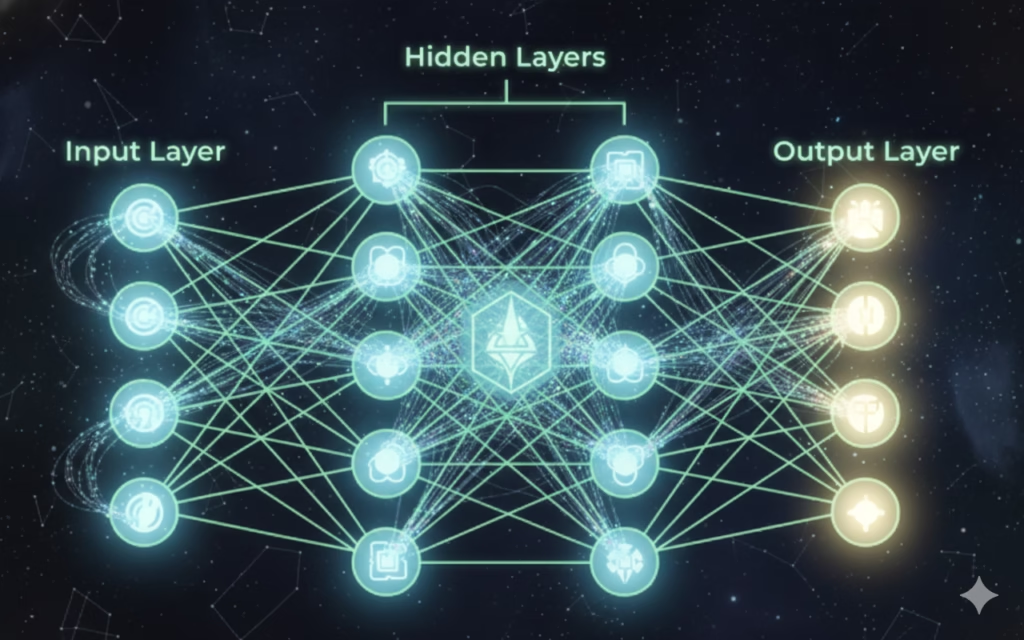
Key steps:
- Collect data (images, text).
- Analyze for patterns.
- Train models to refine accuracy.
- Apply learning to new situations.
- Improve via feedback.
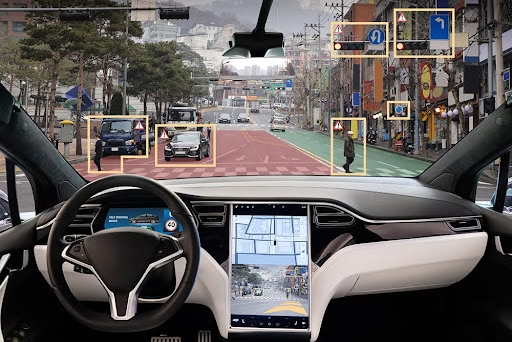
Technologies include machine learning, deep learning (brain-inspired neural networks), NLP, and computer vision.
A Quick History of AI
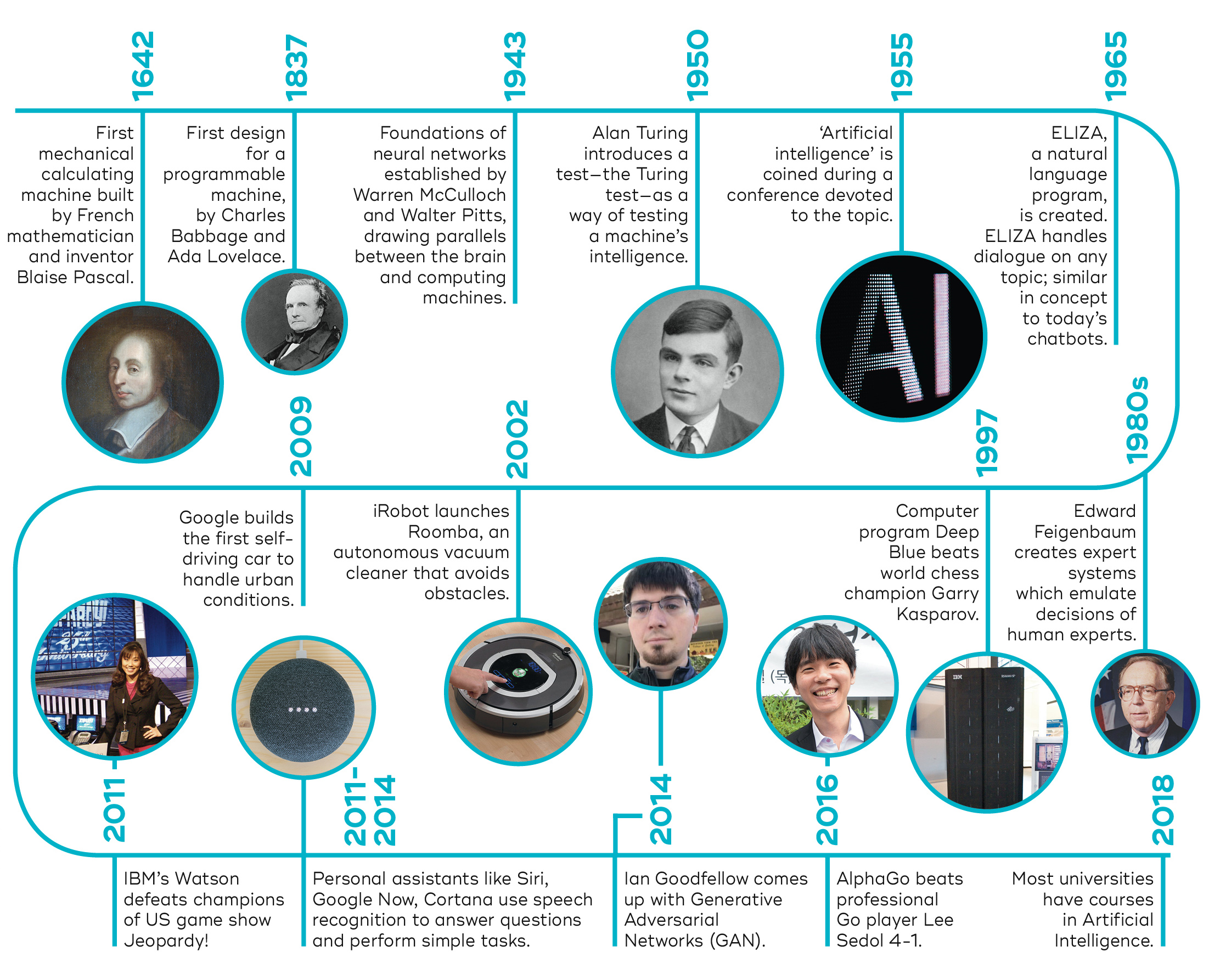
Ideas of thinking machines date back centuries, but modern AI started mid-20th century.
- 1950: Alan Turing’s Turing Test questions machine intelligence.
Alan Turing’s Legacy | LGBT History Month | Royal British Legion
- 1956: Term “artificial intelligence” coined at Dartmouth Conference.
- 1960s-1970s: Early chatbots and “AI winters” from funding dips.
- 1997: IBM’s Deep Blue beats chess champion.
- Today: Big data and deep learning fuel the generative AI boom.
History of Artificial Intelligence – Queensland Brain Institute …
Core Goals of AI
AI pursues:
- Reasoning and decision-making
- Knowledge storage
- Planning actions
- Learning from experience
- Perceiving senses
- Processing language
These drive advances in healthcare, climate solutions, and more.

Types of AI
By capability:
- Narrow AI (Weak AI) → Today’s specialist AI (e.g., voice assistants, recommendations). Excels at one task.
- General AI (Strong AI) → Future human-level versatility across tasks.
- Super AI → Hypothetical beyond-human intelligence.

By function: Reactive (no memory), limited memory (most now), theory of mind (future emotional understanding).
Why AI Matters Today
AI tackles big challenges: speeding research, optimizing supply chains, and fighting climate change. It’s everywhere, from spam filters to medical diagnostics, boosting efficiency while raising ethical questions on bias and responsibility.
Master these basics, and you’re ready for AI’s exciting future!
See you again in our next blog